By Ratu Eroni Ledua Dina, CEO of TAAG
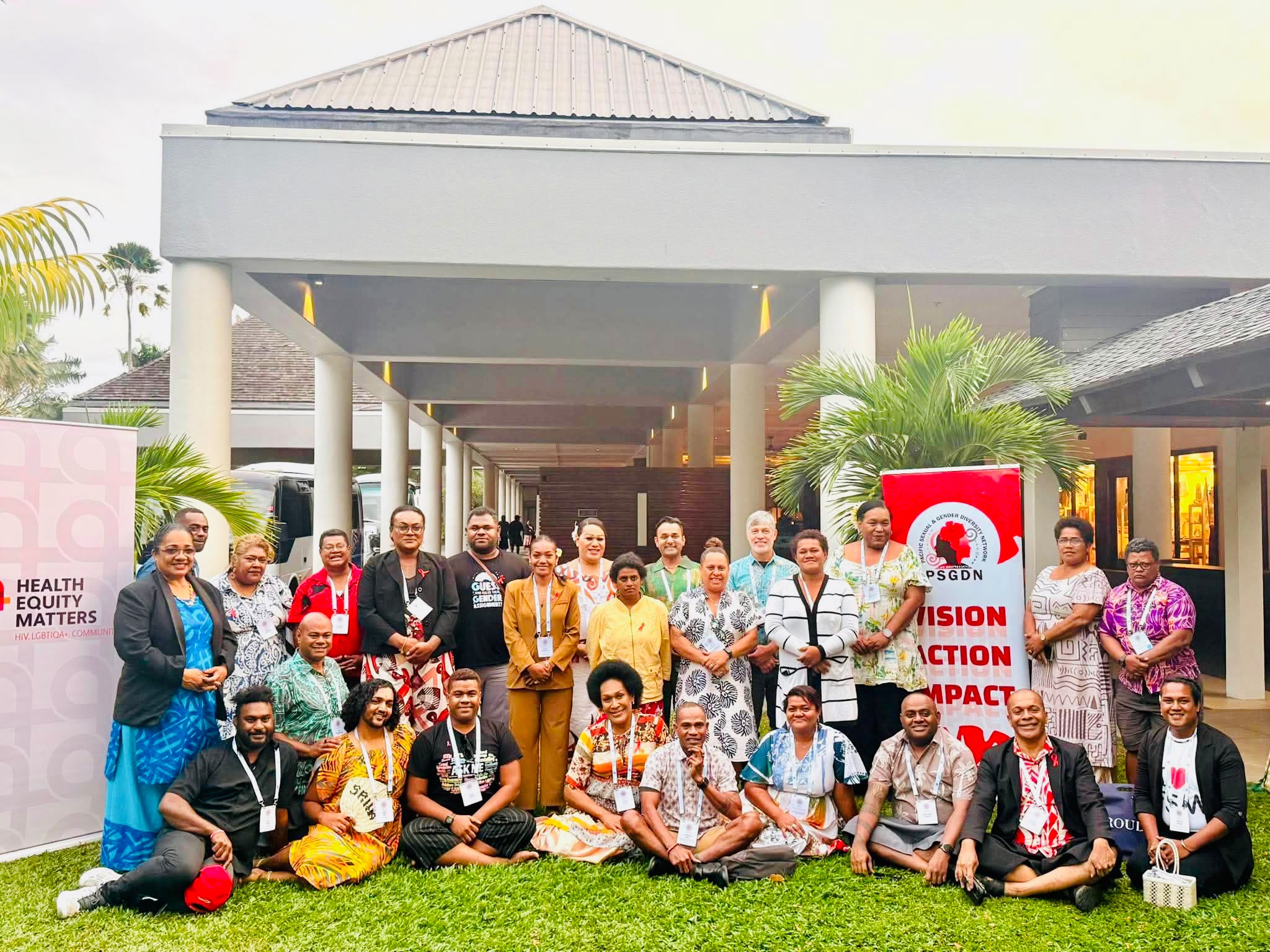
As part of the civil society leadership representing key affected populations and marginalized communities across our region, I had the privilege of standing alongside fellow advocates, health professionals, researchers, and regional leaders at the inaugural Pacific HIV Symposium 2026 at the Sheraton Fiji in Denarau.
Held under the theme “Equipping the front line, regional action, and cross-country learning,” this two-day gathering marked a pivotal turning point. For our communities on the ground, it signaled a decisive shift away from top-down solutions toward a truly unified, rights-based, and community-led regional response.
With Fiji recording 2,016 HIV diagnoses in 2025—a 27 per cent increase from 2024, heavily impacting young people aged 25 to 29—the reality facing our island nations is stark. Single-nation approaches can no longer contain this epidemic. As civil society partners, our message was clear: viruses do not respect borders, and our defense must be an interconnected Pacific response that places key populations and human rights at its very center.
Day 1: Centering Community Leadership and Frontline Navigation

Opening the symposium, His Excellency Ratu Naiqama Lalabalavu, President of Fiji, acknowledged the widespread impact of HIV on families and national development, highlighting Fiji’s historic $10 million domestic allocation to address drug use and HIV.
Throughout the first day, discussions focused on how community-led innovations are transforming frontline care:
- Expanded Prevention and Navigation: Organizations like the Rainbow Pride Foundation (RPF) in Fiji and KPAC in Papua New Guinea (PNG) demonstrated how peer outreach has evolved beyond distributing information. Peer navigators are now actively linking people to rapid testing, running evening “Sunset Hubs,” and facilitating direct PrEP initiation.
- Triple Elimination of Vertical Transmission: Sessions highlighted community-led antenatal care and point-of-care screening to eliminate mother-to-child transmission of HIV, Syphilis, and Hepatitis B. Insights from Fiji Network for Positive People (FJN+) and PNG IMR emphasized pairing clinical surveillance with peer support so no mother or child is left behind.
- Enabling Environments & Human Rights: Sex worker-led networks like Strumphet Alliance Network (SPAN) and KPAC PNG shared how integrating human rights advocacy with street outreach creates safe-space talanoa and builds trust. During our panel discussions—alongside colleagues from SPC, SPAN, the Ministry of Health, and VPride—we underscored that healthcare cannot succeed in a vacuum; protecting the rights, safety, and dignity of marginalized populations is the prerequisite for equitable health outcomes.
- Psychosocial Wellbeing (Tikobulabula): Advocates from FJN+ and WABHA PNG (“Mentor Mothers”) showcased culturally grounded, peer-led mental health models to support long-term adherence and combat stigma as HIV transitions into a manageable chronic condition.

“To our community partners, and to every person living with HIV… you are not here as guests. You are not the subject of our discussions. You are our partners, our teachers, and our leaders.”
— Dr. Jason Mitchell, Chair of the Fiji National HIV Outbreak Cluster Response Taskforce
Day 2: Clinical Guidelines, Harm Reduction, and Cultural Assets
The second day delivered crucial policy milestones, empirical evidence, and strategic pathfinding for future funding:
- Official Launch of National Guidelines: Fiji’s Ministry of Health and Medical Services officially launched two updated frameworks: the HIV Care and Antiretroviral Therapy Guidelines (4th Edition 2026) and the National Guidelines for the Testing, Care and Treatment of Hepatitis C in Fiji (2026), modernizing clinical standards for rapid ART initiation and decentralized care.
- Culture as a Strength, Not a Barrier: Panellists called on governments to shift from “culturally adapted” models to “culturally centered” interventions. By funding traditional dialogue spaces like Talanoa, engaging faith leaders as co-designers, and grounding health responses in indigenous values of kinship and mutual respect, we can break down stigma while upholding universal human rights.
- Urgent Focus on Harm Reduction: Groundbreaking genetic sequencing presented by Dr. Dashika Balak (Fiji Ministry of Health) revealed that people who inject drugs accounted for 48 per cent of individuals initiating ART in Fiji during the recent outbreak, with clear transmission clusters bridging key populations and the wider public. Leaders called for immediate legal and operational pathways for evidence-based harm reduction, including needle and syringe programs and peer-led drug dependency support.
- Sustainable Funding & Social Contracting: Taskforce Chair Dr. Jason Mitchell echoed a long-standing call from civil society: governments must transition from donor reliance to permanent domestic budget lines. Through formal “social contracting,” states must fairly compensate community-led organizations for delivering essential testing, outreach, and retention services.
Our Collective Path to 2030
The outcomes of this historic symposium will directly shape the final Call to Action presented to regional decision-makers at the upcoming Pacific Heads of Health meeting.
For TAAG and our civil society partners representing marginalized communities, the work continues. By pairing clinical excellence with grassroots expertise, standing firm on human rights, and securing sustainable domestic investment, we are building a resilient Pacific response that ensures no key population is left behind.

Leave a Reply