When a person completes a stay in formal psychiatric care, discharge ought to mark the beginning of sustainable recovery, restoration, and dignity. Yet for far too many individuals—particularly trans women, gender-diverse individuals, and members of the VST+ community—stepping beyond the hospital gates means stepping into an environment of silence, immediate family rejection, and profound isolation.
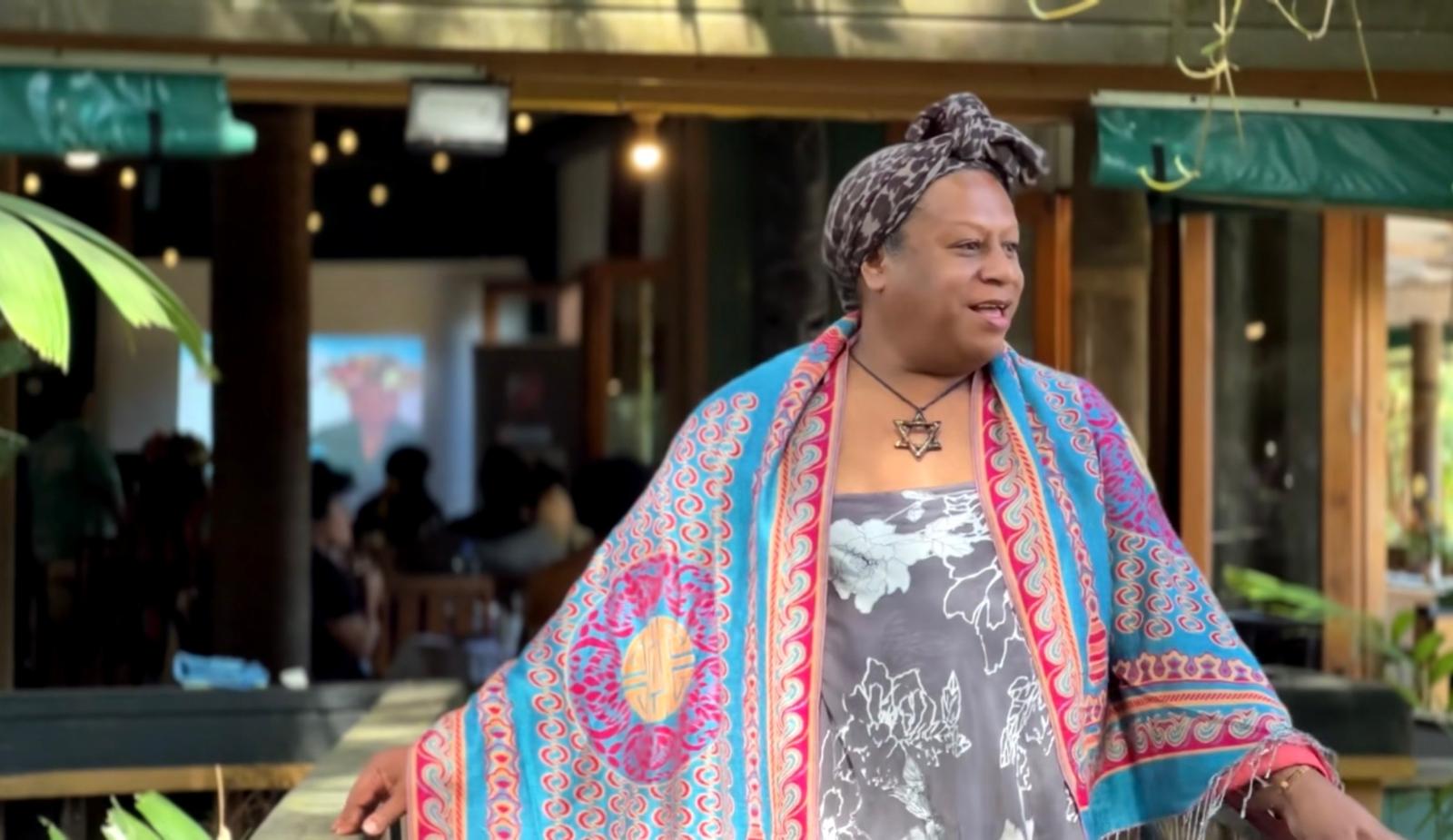
In her powerful testimony, Edwina Biyau, founder of Daulomani Safe Home, shed light on this critical reality. Her work highlights the urgent need to bridge the gap between institutional healthcare and community life, dismantle intersecting stigmas, and build peer-led spaces where everyone can find sanctuary.
1. The Unseen Aftercare Gap: Beyond the Hospital Doors
Institutions like St. Giles Hospital, social welfare departments, and law enforcement serve as critical first-line intervention points during an acute mental health crisis. They provide stabilization when safety is most urgent. However, a systemic rift opens at the exact moment of discharge.
Formal clinical care can stabilize a crisis, but it cannot repair the social environments waiting outside. As Edwina emphasizes, individuals are frequently discharged into conditions where traditional family structures fail them. Misunderstanding, fear, and deep-seated stigma around mental health lead families to turn their backs on their own relatives. Without community-based aftercare, transitional housing, or safe landing pads:
- Discharge becomes displacement: Patients transition straight from formal care onto the streets or into highly precarious living situations.
- Recovery is disrupted: The progress achieved in care rapidly collapses under the weight of immediate basic-needs insecurity and homelessness.
- The burden shifts to the margins: Community sanctuaries like Daulomani Safe Home step into the breach, providing the shelter and personal care that formal systems fail to ensure post-discharge.
Closing this gap demands structured, compassionate networks that sit between formal healthcare facilities and the home—ensuring that leaving a hospital means moving toward sustained community support, not abandonment.
2. At the Intersections of Identity and Mental Health

Mental health does not exist in a vacuum; it is deeply shaped by how society treats a person’s identity. Edwina’s advocacy draws vital attention to how trans women and marginalized gender identities across the Pacific experience mental health challenges that are compounded by systemic prejudice.
When identity-based discrimination collides with mental health stigma, the barrier to wellbeing becomes exponentially steeper:
- Compound Isolation: Facing rejection for who you are, combined with societal fear around mental illness, leaves individuals with virtually nowhere to seek shelter or understanding.
- Barriers to Affirming Care: Standard healthcare and shelter settings often lack the gender-affirming, culturally safe practices necessary to treat marginalized individuals with basic dignity.
- Systemic Vulnerability: Denied family support and equal access to economic opportunities, marginalized individuals face heightened exposure to physical insecurity, neglect, and severe distress.
Human rights advocacy and mental health support cannot be separated. True care requires recognizing that protecting a person’s dignity and identity is essential to their psychological safety.
3. Strength in Solidarity: Building Safe Spaces Together
Despite the severity of these challenges, Edwina’s message is ultimately one of hope, resilience, and active construction. Reframing stigma begins by shifting the narrative from passive suffering to collective action and community empowerment.
Real, sustainable change is taking shape through deep collaboration across civil society:
- Grassroots Coalitions: Organizations like Daulomani Safe Home, the Trans Affirmative Action Guild (TAAG), the Pacific Rainbow Network (PRN), and allied human rights networks are pooling knowledge, capacity, and resources to build real safety nets.
- Peer-Led Sanctuaries: Spaces designed and led by community leaders ensure that care is non-judgmental, identity-affirming, and grounded in lived experience.
- Capacity and Resource Sharing: By working closely with health advocates, local allies, and institutional partners, grassroots groups are establishing practical pathways for referral, emergency support, and long-term reintegration.
Moving Forward Together
Healing requires far more than clinical treatment—it demands community, acceptance, and environments where every individual is treated with intrinsic worth.
Through the dedicated leadership of champions like Edwina Biyau and the collective strength of regional partner networks, we are bridging the divide between hospital discharge and community life. By confronting intersecting stigmas head-on and strengthening our grassroots sanctuaries, we build a future where no one is pushed to the margins. Recovery is a collective journey, and together, we are making sure no one has to walk it alone.

Leave a Reply